
"Central Estrictamente Altura"
31200 article(s) found

Coffee from Mexico, the fourth largest coffee producer in the world
Coffee from the world's fourth largest coffee producer, slippery and fragrant, Mexico, the fourth largest coffee producer in the world, produces about 5 million bags of coffee a year. Most of its coffee is produced by nearly 100000 small farmers, and large estates that once manipulated the coffee industry are rare. The yield of Mexican coffee is about 630 kg per hectare. Later, the Mexican Coffee Association (Instituto Mexicano)
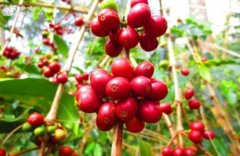
Mexican coffee beans from the world's fine coffee production area
Coffee from the world's fourth largest coffee producer, slippery and fragrant, Mexico, the fourth largest coffee producer in the world, produces about 5 million bags of coffee a year. Most of its coffee is produced by nearly 100000 small farmers, and large estates that once manipulated the coffee industry are rare. The yield of Mexican coffee is about 630 kg per hectare. Later, the Mexican Coffee Association (Instituto Mexicano)

Mexican Coffee, the fourth largest Coffee producer in the World
Following Cafe Review (official Wechat account vdailycom) found that the collapse of the coffee agreement (Coffee Agreement) and the disappearance of price support for Cafe Beautiful Cafe to open its own shop actually helped some producers because it forced them to develop their own brands and gain closer ties with domestic and foreign markets, while the NAFTA agreement between Canada, the United States and Mexico

The best coffee producer in Mexico is Chiapas in the south of the country.
Coffee from the world's fourth largest coffee producer, slippery and fragrant, Mexico, the fourth largest coffee producer in the world, produces about 5 million bags of coffee a year. Most of its coffee is produced by nearly 100000 small farmers, and large estates that once manipulated the coffee industry are rare. The yield of Mexican coffee is about 630 kg per hectare. Later, the Mexican Coffee Association (InstitutoMexicanode)

Varieties and flavor of Mexican coffee beans grow Mexican boutique coffee beans
Professional baristas please pay attention to the coffee workshop (Wechat official account cafe_style) Mexico coffee from the world's fourth largest coffee producer, slippery and fragrant Mexico, the fourth largest coffee producer in the world, with an annual output of about 5 million bags. Most of its coffee is produced by nearly 100000 small farmers, and large estates that once manipulated the coffee industry are rare. Mexican coffee per

The higher the altitude, the better the coffee beans?
The higher the altitude, the better are the coffee beans grown in Central America? the rating of Central American coffee is based on the altitude at which coffee grows. For example, SHB (Strictly Hard Bean) is the term for Guatemalan coffee beans, indicating that coffee grows above 4500 feet. Mexico is called Altura, which means high in Spanish, which means high-altitude coffee; Papua New Guinea has

What do you recommend for Mexican coffee beans? Mexican coffee beans taste good.
Professional coffee knowledge exchange more coffee bean information please follow the coffee workshop (Wechat official account cafe_style) in the field of coffee, the higher the altitude, the better the coffee quality. At present, many coffee beans billed as Arabica on the market are not really from high altitude, while Caf Altura Mexican coffee organic coffee is a pure Arabica variety and is grown in the high sea.
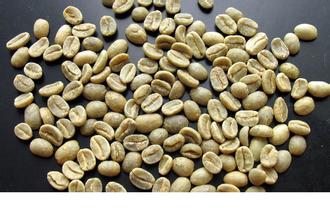
The coffee beans of Mexico in America have the characteristics of smooth, mellow and attractive flavor.
Mexico coffee from the world's fourth largest coffee producer, slippery and fragrant Mexico, the fourth largest coffee producer in the world, produces about 5 million bags of coffee a year. Most of its coffee is produced by nearly 100000 small farmers, and large estates that once manipulated the coffee industry are rare. The yield of Mexican coffee is about 630 kg per hectare. Later, the Mexican Coffee Association (Instituto Mex)
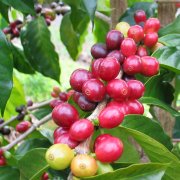
Coffee from the world's fourth largest coffee producer, Mexico, the world's fourth largest coffee producer
Coffee from the world's fourth largest coffee producer, slippery and fragrant, Mexico, the fourth largest coffee producer in the world, produces about 5 million bags of coffee a year. Most of its coffee is produced by nearly 100000 small farmers, and large estates that once manipulated the coffee industry are rare. The yield of Mexican coffee is about 630 kg per hectare. Later, the Mexican Coffee Association (InstitutoMexicanode)

Nicaraguan coffee producing area, Nicaraguan coffee cultivation
Following the caf é (official Wechat account vdailycom) found that the coffee in Nicaragua opened a small shop of its own. Nicaraguan coffee is mainly grown in the central and northern parts of the country, with shade planting as its feature, while coffee beans are washed and dried in the sun. Generally speaking, Nicaraguan coffee is less distinctive, so Nicaraguan beans are often used as comprehensive coffee.

Introduction to the producing area of coffee beans in Mexico, one of the four largest producing countries in the world
Coffee from the world's fourth largest coffee producer, slippery and fragrant, Mexico, the fourth largest coffee producer in the world, produces about 5 million bags of coffee a year. Most of its coffee is produced by nearly 100000 small farmers, and large estates that once manipulated the coffee industry are rare. The yield of Mexican coffee is about 630 kg per hectare. Later, the Mexican Coffee Association (Instituto Mexicano)
A brief introduction to Mexican Fine Coffee beans the flavor of Mexican coffee in North America introduces the wonderful Mersey
Coffee from the world's fourth largest coffee producer, slippery and fragrant, Mexico, the fourth largest coffee producer in the world, produces about 5 million bags of coffee a year. Most of its coffee is produced by nearly 100000 small farmers, and large estates that once manipulated the coffee industry are rare. The yield of Mexican coffee is about 630 kg per hectare. Later, the Mexican Coffee Association (Instituto Mexicano)
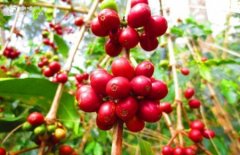
An introduction to the main place of Coffee production-- Mexico's Coffee Mercy, the fourth largest coffee producer in the world
Coffee from the world's fourth largest coffee producer, slippery and fragrant, Mexico, the fourth largest coffee producer in the world, produces about 5 million bags of coffee a year. Most of its coffee is produced by nearly 100000 small farmers, and large estates that once manipulated the coffee industry are rare. The yield of Mexican coffee is about 630 kg per hectare. Later, the Mexican Coffee Association (Instituto Mexicano)
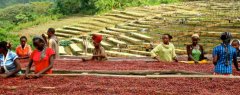
Coffee from the world's fourth largest coffee producer, slippery and fragrant, the fourth largest coffee producer in the world
Coffee from the world's fourth largest coffee producer, slippery and fragrant, Mexico, the fourth largest coffee producer in the world, produces about 5 million bags of coffee a year. Most of its coffee is produced by nearly 100000 small farmers, and large estates that once manipulated the coffee industry are rare. The yield of Mexican coffee is about 630 kg per hectare. Later, the Mexican Coffee Association (InstitutoMexicanode)

Flavor and taste characteristics of coffee varieties in Tianzi Manor introduction of high-quality coffee beans
The excellent Nicaraguan coffee is among the highest in the world, it is mild and delicious, moderate granule, very fragrant. In many countries, coffee production has been seriously affected for political reasons. Nicaraguan coffee industry is no exception. The 1979 revolution forced coffee planters to flee to Miami. It was followed by a period of uncertainty, and the government considered whether to re-divide it.

Mexico Mexico, the fourth largest coffee producer in the world.
Boutique coffee is fresh coffee. Whether it's food or drink, of course, the fresh the better, and so is boutique coffee. High-quality coffee should keep the coffee beans fresh before making, including the preservation of baked beans, and grind the coffee beans into powder before making, which is also to retain its original and best flavor. And the way of making hand-made coffee is such a way to make high-quality coffee.

Guatemalan Coffee Bean grading Guatemala Coffee Flavor characteristics describe Guatemalan Coffee Story
Guatemala Coffee Bean graded Flavor description Taste Variety production area treatment method introduction Central American coffee is rated according to the altitude at which coffee grows in Mexico, Honduras, Haiti and other countries according to the height of Strictly High Grown (extremely high mountain beans, referred to as SHG), followed by High Grown (mountain beans, referred to as HG) Mexico called Altura, in Spanish

Mild and delicious Nicaragua Lakadura Coffee Flavor Description Grind Treatment Features Taste Medium
Nicaragua is now one of the poorest countries in Central America. Because of its poor economic base, the coffee industry is still in a relatively backward state, while coffee farmers are in an extremely poor state. Fortunately, Nicaragua's coffee has received some foreign aid funds to improve the quality of its coffee. Nicaragua's Madagerba, Chinodega, Segovia region of coffee

Mexico's best coffee producer is Chiapas Black Coffee in the south of the country.
The term "fine coffee" was first put forward by Ms. Knudsen of the United States in Coffee and Tea magazine. At that time, Ms. Knudsen, as a coffee buyer at B.C. Ireland in San Francisco, was very dissatisfied with the neglect of the quality of raw coffee in the industry, and even some big roasters mixed a large amount of Robesda beans in the comprehensive beans, so she put forward the concept of boutique coffee.

Nicaraguan coffee introduction, how does Nicaraguan coffee taste?
Following Cafe (official Wechat account vdailycom) found that Beautiful Cafe opened a small shop of its own in many countries, and coffee production was seriously affected for political reasons. Nicaraguan coffee industry is no exception. The overthrow of Somocha, president and dictator of Nicaragua in 1979, forced coffee growers to flee to Miami. It was followed by a period of indecision